Monday, 24 December 2012

Shotgun microphone

Shotgun microphone

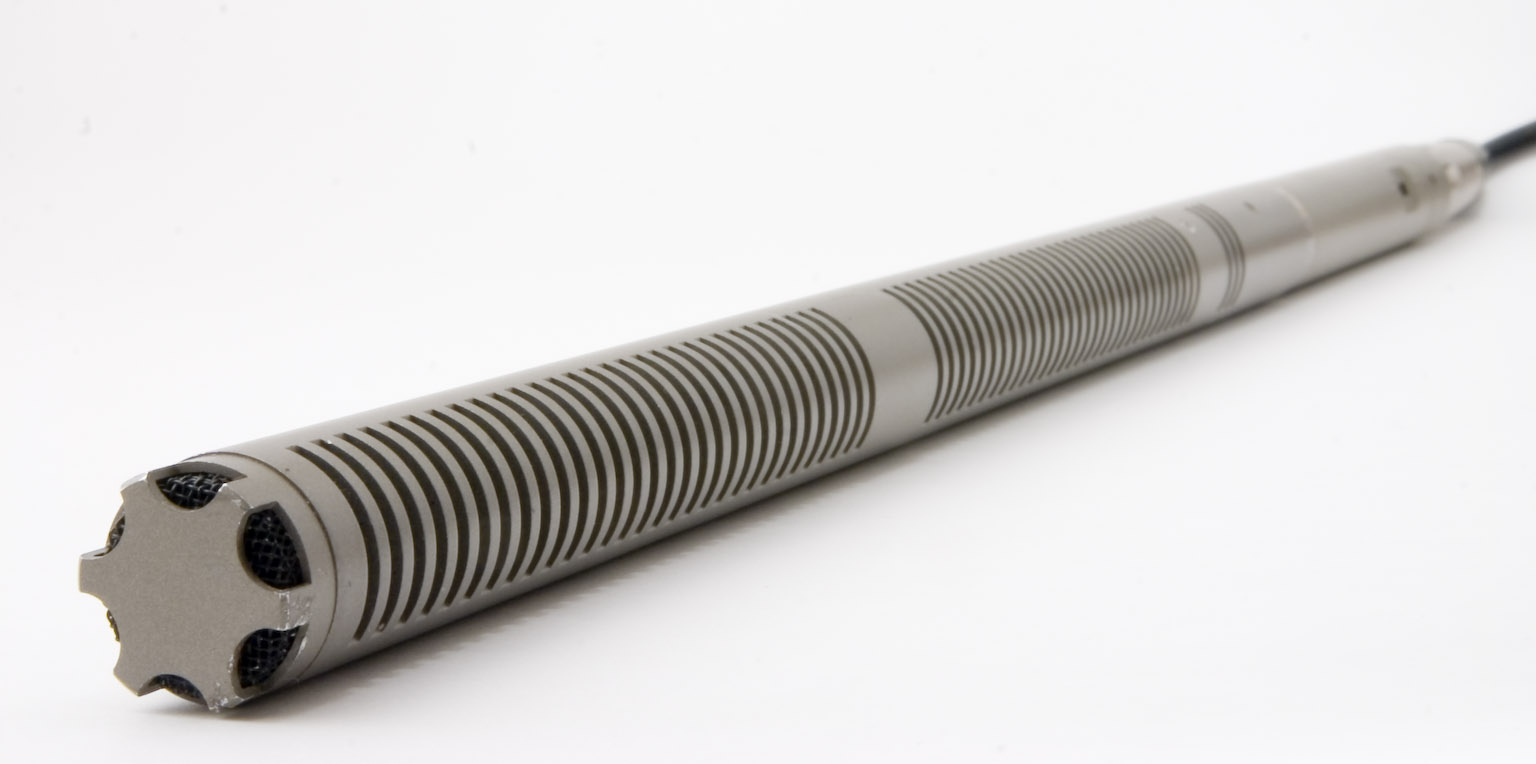
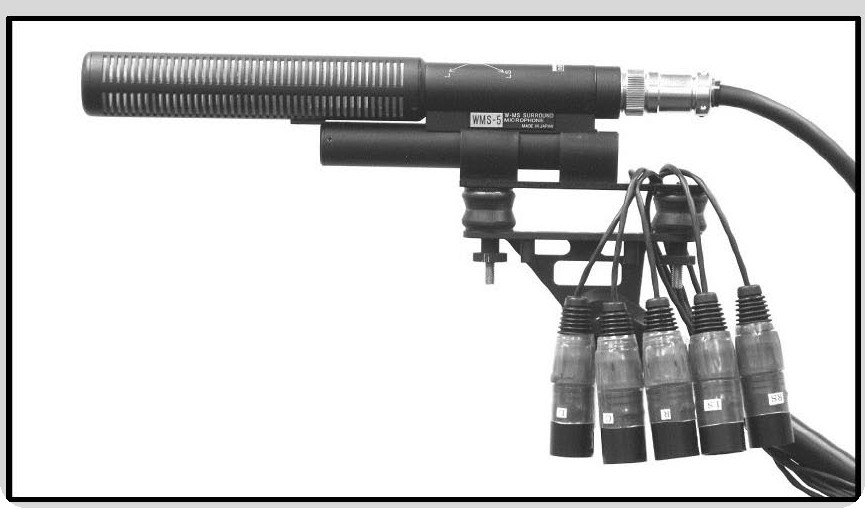
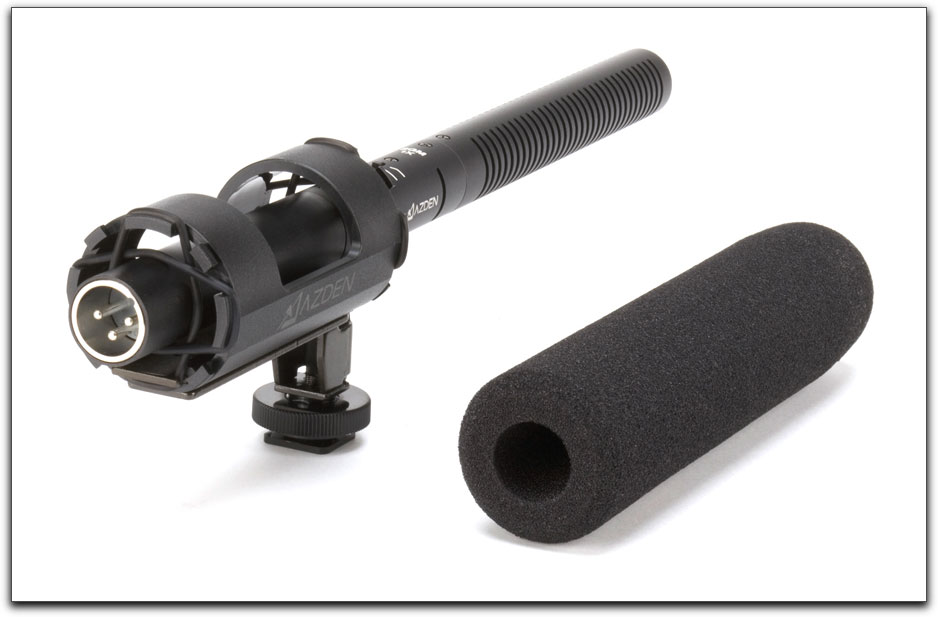
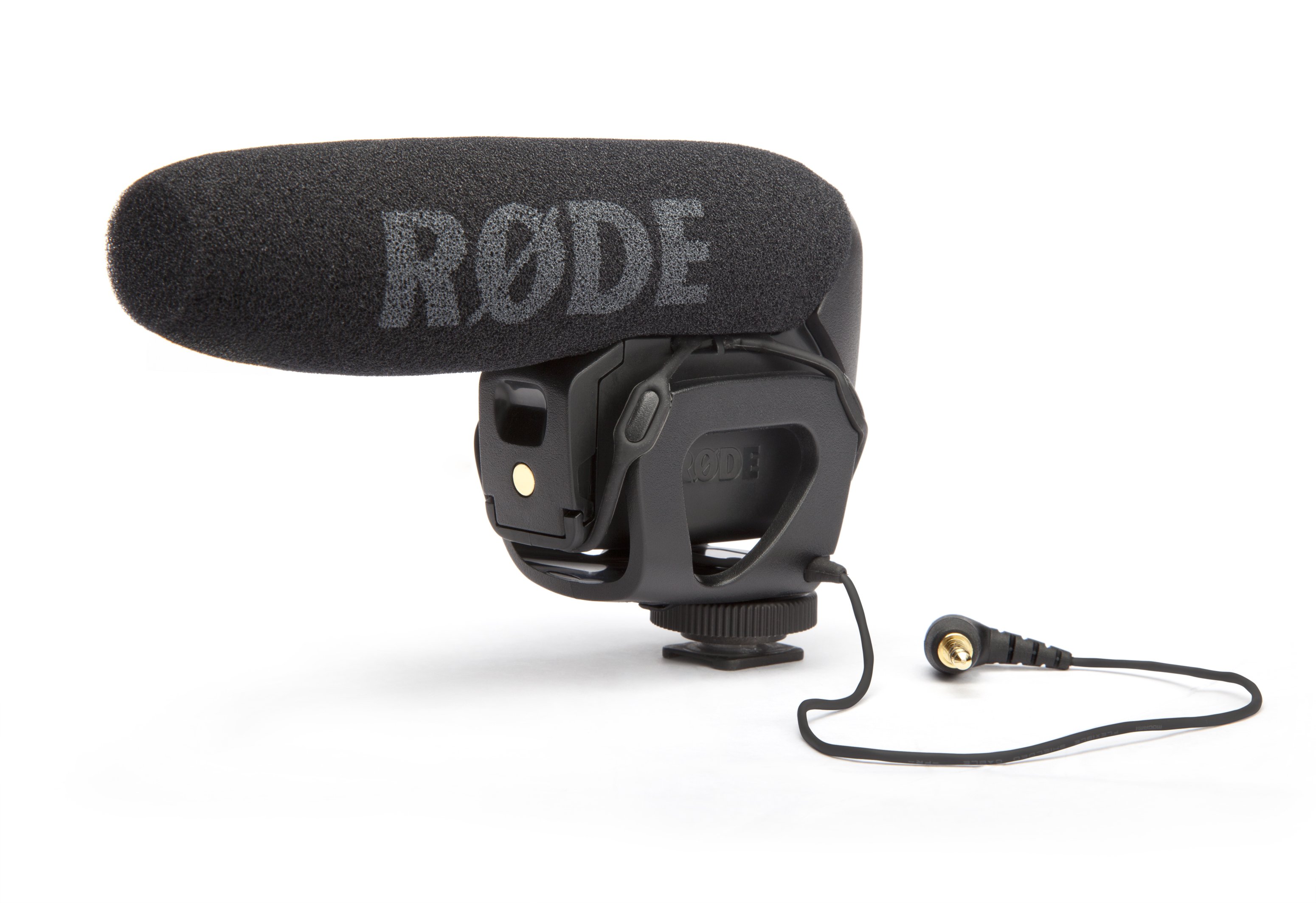
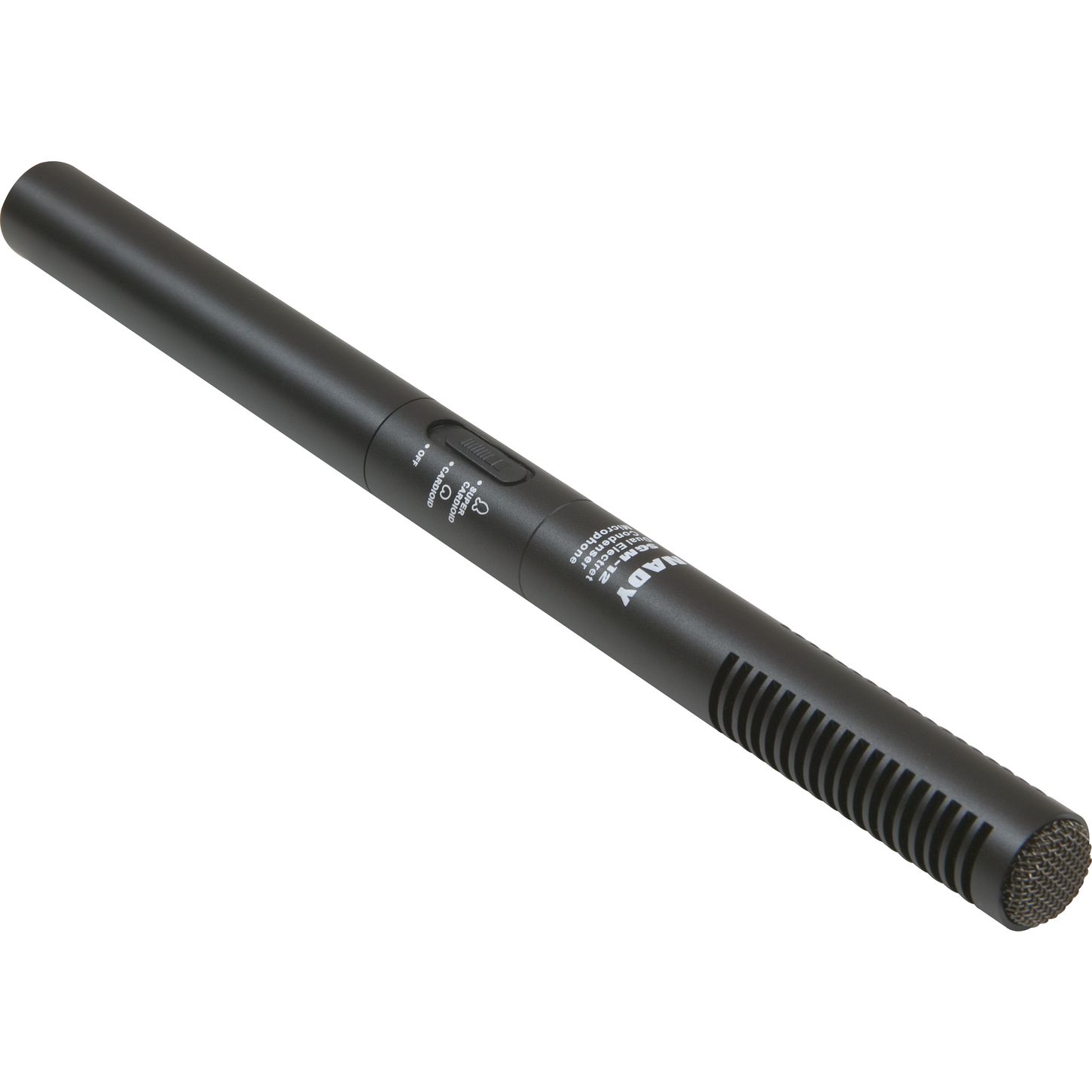
Shotgun microphones are the most highly directional. They have small lobes of sensitivity to the left, right, and rear but are significantly less sensitive to the side and rear than other directional microphones. This results from placing the element at the back end of a tube with slots cut along the side; wave cancellation eliminates much of the off-axis sound. Due to the narrowness of their sensitivity area, shotgun microphones are commonly used on television and film sets, in stadiums, and for field recording of wildlife.Several approaches have been developed for effectively using a microphone in less-than-ideal acoustic spaces, which often suffer from excessive reflections from one or more of the surfaces (boundaries) that make up the space. If the microphone is placed in, or very close to, one of these boundaries, the reflections from that surface are not sensed by the microphone. Initially this was done by placing an ordinary microphone adjacent to the surface, sometimes in a block of acoustically transparent foam.

Shotgun microphone

Shotgun microphone


Shotgun microphone

Shotgun microphone


Shotgun microphone


Shotgun microphone


Shotgun microphone

Shotgun microphone

Shotgun microphone


Shotgun microphone


Shotgun microphone


Shotgun microphone


Shotgun microphone


Shotgun microphone


Shotgun microphone


Shotgun microphone

Shotgun microphone

Aspen mountain

Aspen mountain


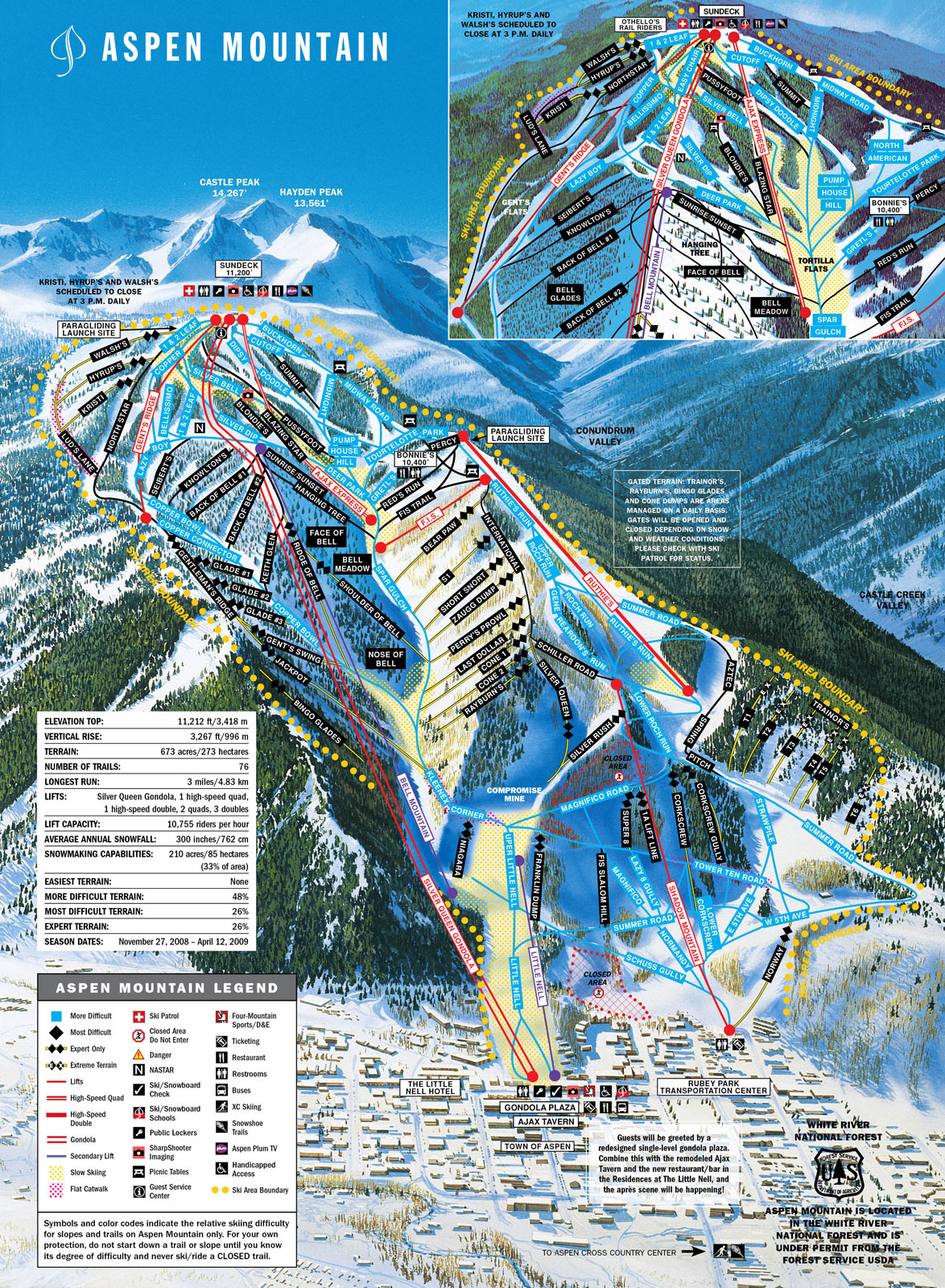
Aspen Mountain is a mountain in the Rocky Mountains of Colorado in the United States. One of the foothills of the Elk Mountains, it is located just south of the town of Aspen, which is situated at the foot of the mountain at the southeast end of the valley of the Roaring Fork River in Pitkin County. The mountain is noted as the location of the Aspen Mountain ski area, one of four adjacent ski areas operated collectively as Aspen/Snowmass.
The mountain is not particularly high but nonetheless looms over the town of Aspen because of the proximity of the town, which was founded as a silver mining camp in 1879 during the Colorado Silver Boom. The mountain flank was the site of intense mining activity in the late 1880s and early 1890s, with many remains of mining activity below and on the surface of the mountain. In the middle 20th century it became the site of recreational downhill skiing. In 1946, the newly formed Aspen Skiing Company, founded by Walter Paepcke, built the first chairlift to the top of the mountain and opened the ski area that bears the name of the mountain. Nowadays, people use a modern gondola, which holds six people, to get to the top of the mountain.

Aspen mountain


Aspen mountain


Aspen mountain


Aspen mountain


Aspen mountain


Aspen mountain


Aspen mountain


Aspen mountain


Aspen mountain


Aspen mountain


Aspen mountain


Aspen mountain


Aspen mountain


Aspen mountain


Aspen mountain


Aspen mountain


Aspen mountain


Sony DCR-VX1000


Sony DCR-VX1000


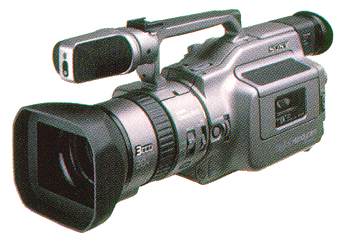
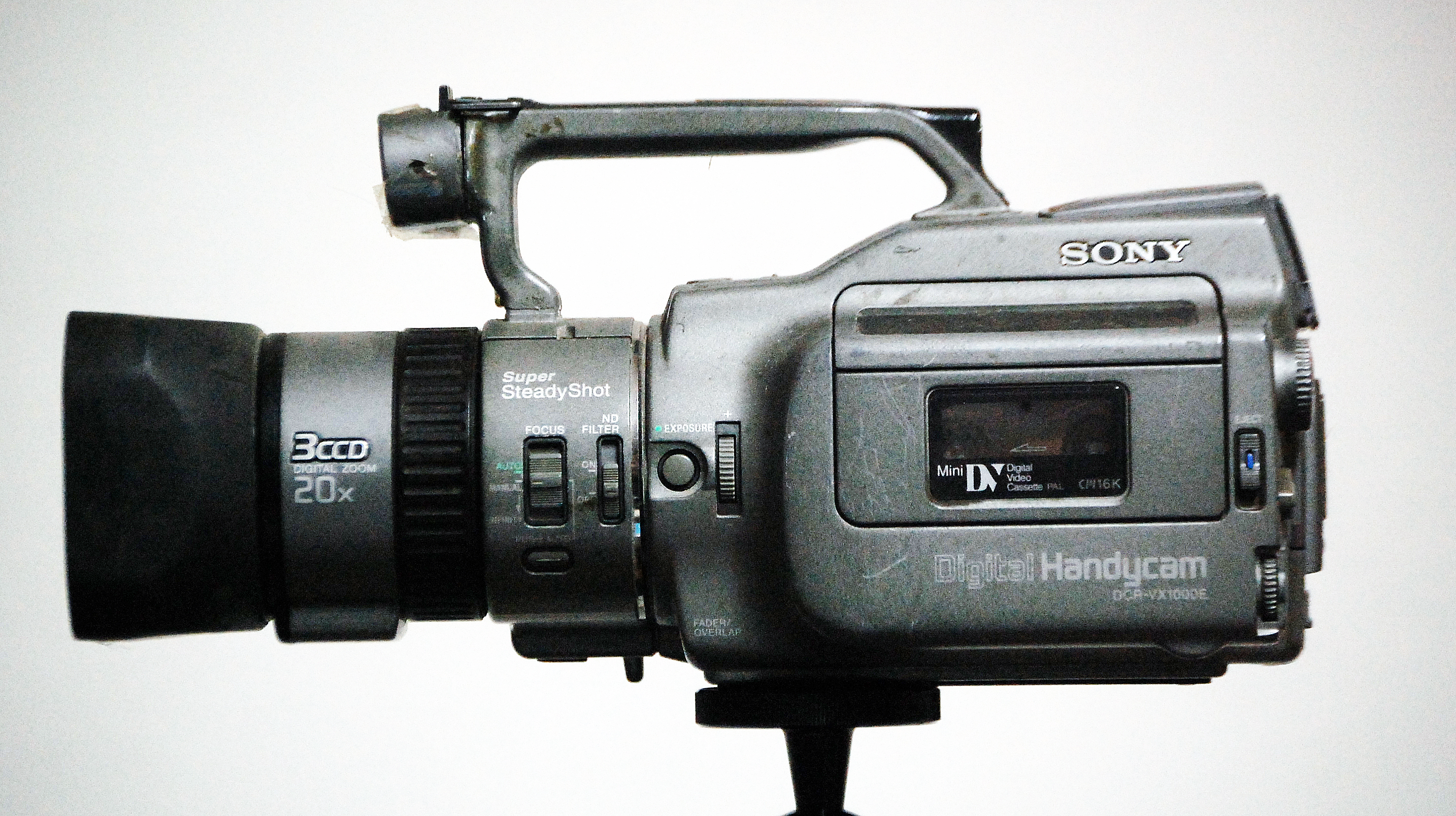
The Sony VX1000 is a Digital video camera that was produced by Sony Electronics in 1995, being replaced in production by the Sony VX2000 in 2000 and the VX2100 in 2004. It was the first prosumer camera that enabled the user to transfer video information via IEEE 1394 firewire to a Windows or Macintosh computer. It was also the first camcorder in which both the MiniDV format and 3CCD color processing technology were used. It was based on Sony's earlier Hi8 camcorders VX1(PAL) and VX3 (NTSC) which were also prosumer grade camcorders. During the mid-1990s, Sony dropped Hi-8 in favor of the emerging DV format, and as a result the VX3 and VX1 were discontinued in 1995. However they went on to serve as the framework for a line of professional DV cameras, including the DCR-VX1000.
This camera's resolution and video clarity was unrivaled at the time. To some it is considered the "grandfather of digital cameras". It sold for about 3500 USD when it came out in the mid nineties. The camera imaged in 410,000 pixels with a horizontal resolution of better than 530 lines. However, the camera has now been replaced by most professional/semi-professional cameras with more recent models, such as the Sony PD150 or PD170 and the Sony Z1. Videos recorded in DV can have up to two times the horizontal resolution of VHS. The use of three CCDs can yield up to three times the component color sampling of single CCD cameras. In addition to its FireWire out, it also had a set of female RCA outs (yellow, white, red/video, R audio, L audio) and a stereo microphone array at the front of the handle. The camera is also considered by many to be the quintessential "action sports" camera, for filming things such as skateboarding and bmx. Despite their age, the cameras still fetch a good deal of money due to a devoted following from action sports filmers; many of whom still consider it the best camera ever made for fisheye lens use.[1]

Sony DCR-VX1000


Sony DCR-VX1000


Sony DCR-VX1000


Sony DCR-VX1000


Sony DCR-VX1000


Sony DCR-VX1000


Sony DCR-VX1000


Sony DCR-VX1000


Sony DCR-VX1000


Sony DCR-VX1000


Sony DCR-VX1000


Sony DCR-VX1000


Sony DCR-VX1000


Sony DCR-VX1000


Sony DCR-VX1000


Sony DCR-VX1000


Sony DCR-VX1000


Sunday, 23 December 2012

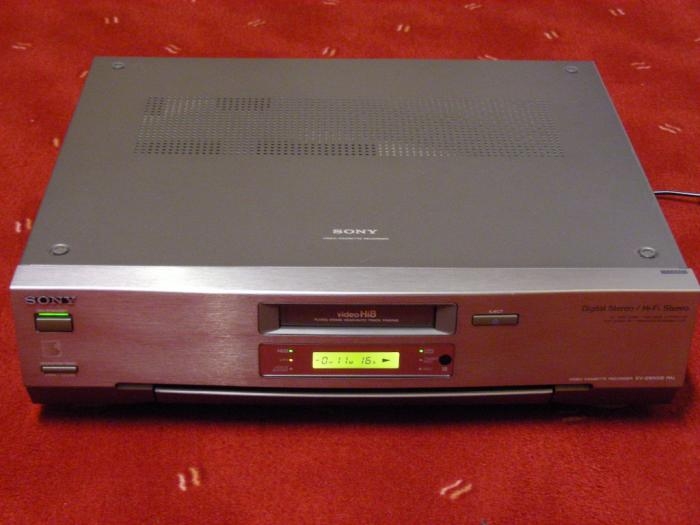
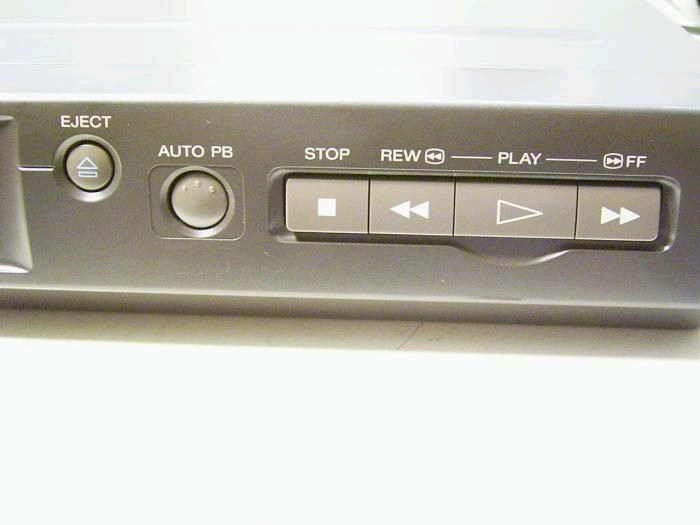
Hi8 player

Hi8 player


To counter the introduction of the Super-VHS format, Sony introduced Video Hi8 (short for high-band Video8). Like S-VHS, Hi8 used improved recorder electronics and media formulation to increase the recorded bandwidth of the luminance signal. Both Hi8 and S-VHS were officially rated at a luminance resolution of 400 horizontal TV/lines[2] (560×480 in today's digital terms), a vast improvement from their respective base formats of 240 lines and roughly equal to laserdisc quality. Chroma resolution for both remained unchanged, at approximately 30 lines horizontal.
Both S-VHS and Hi8 retained the audio recording systems of their base formats; VHS HiFi Stereo outperformed Video8/Hi8 AFM, but remained restricted to high-end machines. In the late 1980s, digital (PCM) audio was introduced into some higher grade models of Hi8 (but never S-VHS) recorders. Hi8 PCM audio operated at a sampling rate of 32 kHz with 8-bit samples—higher fidelity than the monaural linear dubbing offered by VHS/S-VHS, but vastly inferior to VHS HiFi. PCM-capable Hi8 recorders could simultaneously record PCM stereo in addition to the legacy (analog AFM) stereo audio tracks.
The final upgrade to the Video8 format came in 1998, when Sony introduced XR capability (extended resolution). Video8-XR and Hi8-XR offered a modest 10% improvement in luminance detail. XR equipment replays non-XR recordings well, and XR recordings are fully playable on non-XR equipment, though without the benefits of XR.

Hi8 player


Hi8 player


Hi8 player


Hi8 player


Hi8 player


Hi8 player


Hi8 player


Hi8 player


Hi8 player


Hi8 player


Hi8 player


Hi8 player


Hi8 player


Hi8 player


Hi8 player


Hi8 player


Hi8 player