Friday, 4 January 2013

Pcmcia card

Pcmcia card


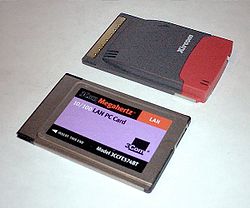
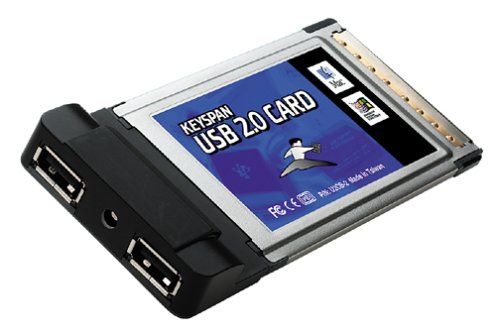
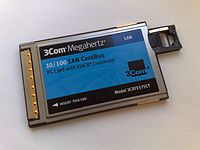
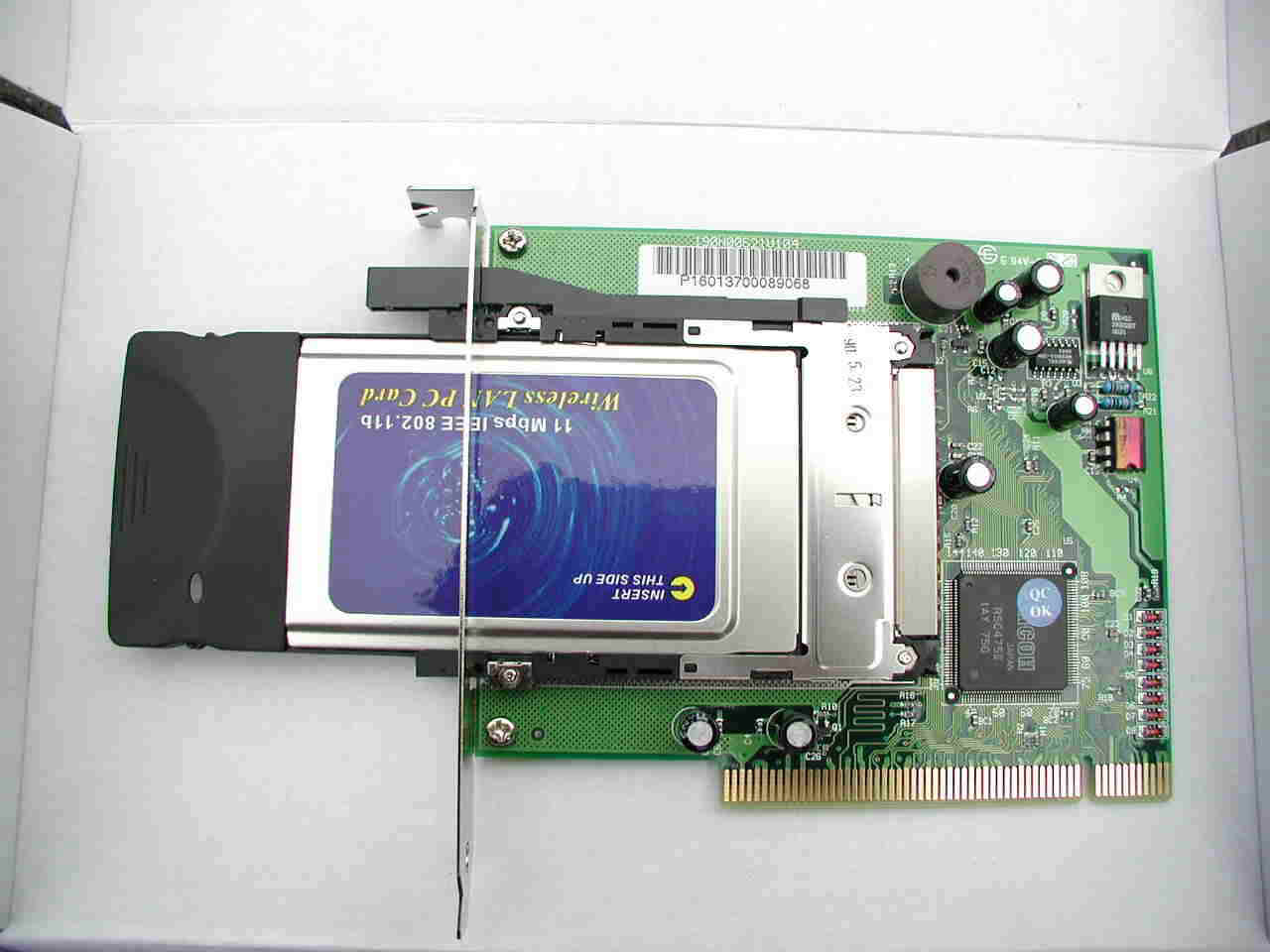
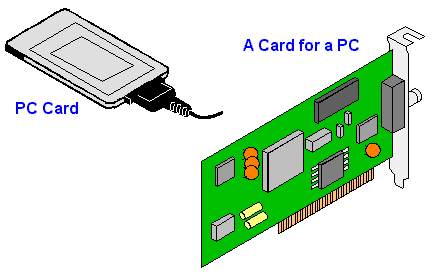
In computing, PC Card is a form factor peripheral interface designed for laptop computers, superseded by CardBus in 1995 and then ExpressCard in 2003. Originally known as PCMCIA Card, short for Personal Computer Memory Card International Association, the PC Card standard as well as its successors were defined and developed by the Personal Computer Memory Card International Association (PCMCIA), which itself was created by a number of computer industry companies in 1986 by Jacob D. Holm[citation needed]. It was originally designed as a standard for memory-expansion cards to compete with the JEIDA memory card standard developed in Japan. In 1991 the two standards merged as JEIDA 4.1 or PCMCIA 2.0 (PC Card).
PC Card was originally designed for computer storage expansion, but the existence of a usable general standard for notebook peripherals led to many kinds of devices being made available based on the form factor, including network cards, modems, and hard disks. The cards were also used in early digital SLR cameras, such as the Kodak DCS 300 series. However, their original use as storage expansion is no longer common.
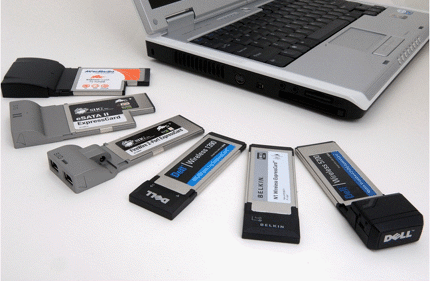
Many notebooks in the 1990s had two adjacent type-II slots, which allowed installation of two type-II cards or one, double-thickness, type-III card. The PC card port has been superseded by the ExpressCard interface, though some manufacturers such as Dell continued to offer them into 2012 on their ruggedized XFR notebooks.[1]

Pcmcia card

Pcmcia card

Pcmcia card


Pcmcia card

Pcmcia card

Pcmcia card


Pcmcia card


Pcmcia card


Pcmcia card


Pcmcia card


Pcmcia card

Pcmcia card


Pcmcia card


Pcmcia card


Pcmcia card

Pcmcia card


Pcmcia card


Ethernet controller driver windows xp

Ethernet controller driver windows xp


Windows XP Mode (XPM)[31] is a virtual machine package for Windows Virtual PC containing a pre-installed, licensed copy of Windows XP Professional with Service Pack 3 as its guest OS. Previously, both the CPU and motherboard of the host had to support hardware virtualization,[5] but an update in early 2010 eliminated this requirement.[32] Pre-installed integration components allow applications running within the virtualized environment to appear as if running directly on the host,[17][33] sharing the native desktop and Start Menu of Windows 7 as well as participating in file type associations. Windows XP Mode applications run in a Terminal Services session in the virtualized Windows XP, and are accessed via Remote Desktop Protocol by a client running on the Windows 7 host.[34][35]
Applications running in Windows XP Mode do not have compatibility issues, as they are actually running inside a Windows XP virtual machine and redirected using RDP to the Windows 7 host. Windows XP Mode may be used to run 16-bit applications; it includes NTVDM although it might be impossible to run 16-bit applications that require hardware acceleration, as Windows Virtual PC does not have hardware acceleration.
Windows XP Mode is available free of charge to users of Windows 7 Professional, Enterprise, and Ultimate.[30] Users of other editions of Windows 7 are not eligible to download and use it.[32][36] This restriction does not apply to Windows Virtual PC itself.
Windows XP Mode can also be run with the VMware Player and VMware Workstation. However, VMware products only import Windows XP Mode on Windows 7 Professional, Enterprise, or Ultimate to adhere with Microsoft licensing requirements.[37]

Ethernet controller driver windows xp


Ethernet controller driver windows xp


Ethernet controller driver windows xp


Ethernet controller driver windows xp


Ethernet controller driver windows xp


Ethernet controller driver windows xp


Ethernet controller driver windows xp


Ethernet controller driver windows xp


Ethernet controller driver windows xp


Ethernet controller driver windows xp


Ethernet controller driver windows xp


Ethernet controller driver windows xp


Ethernet controller driver windows xp


Ethernet controller driver windows xp


Ethernet controller driver windows xp


Ethernet controller driver windows xp


Ethernet controller driver windows xp


Ethernet card

Ethernet card
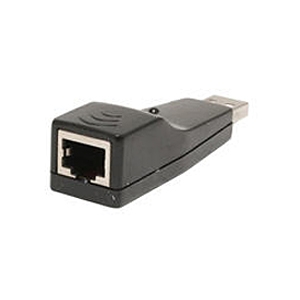

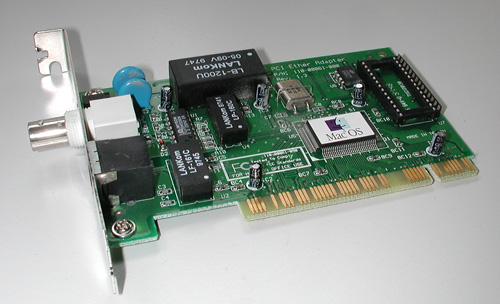
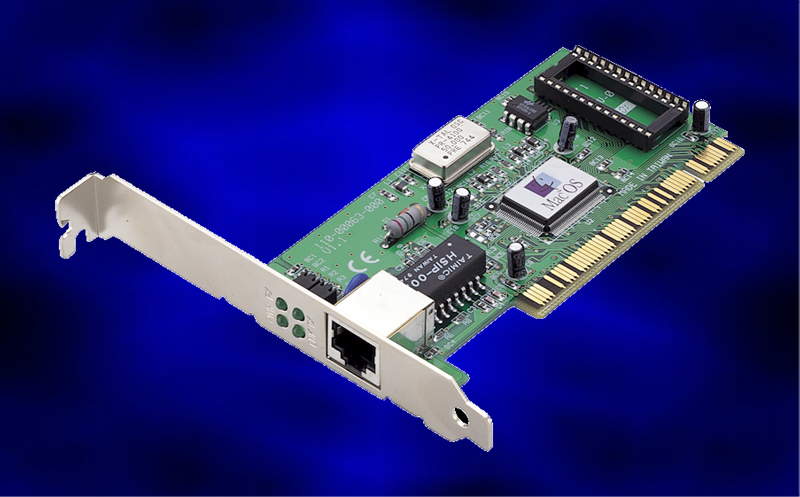
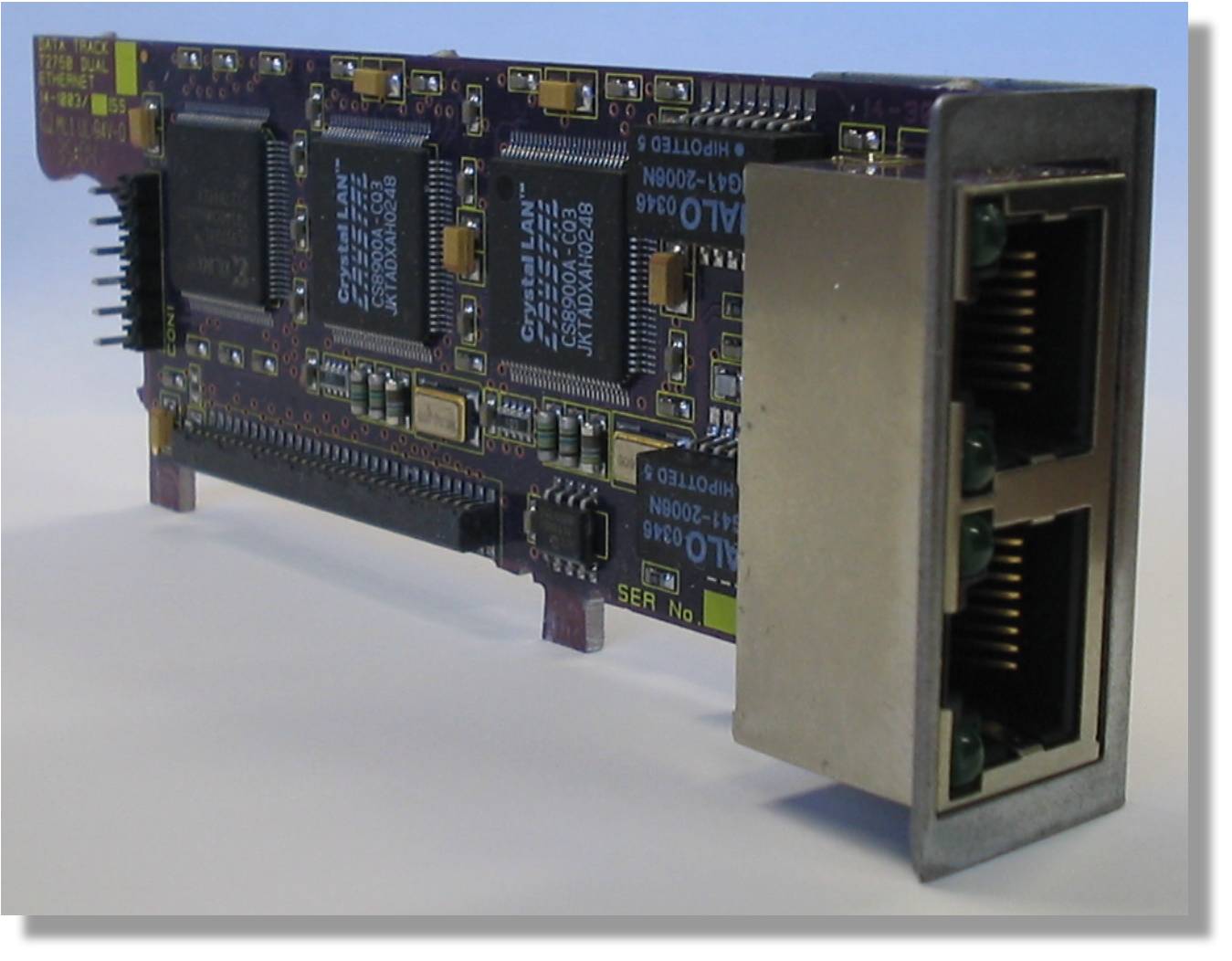
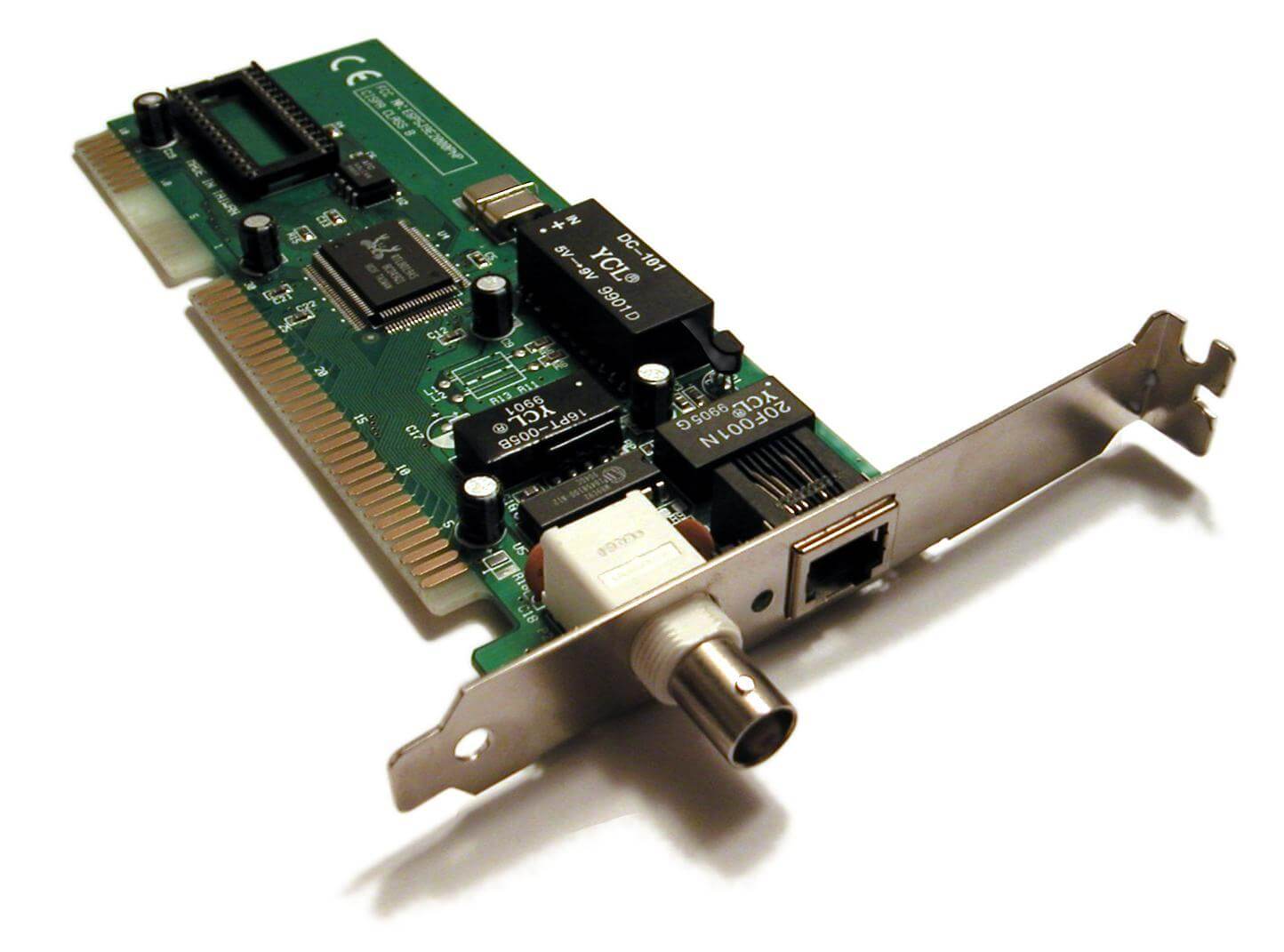
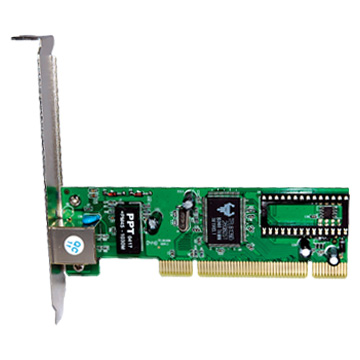
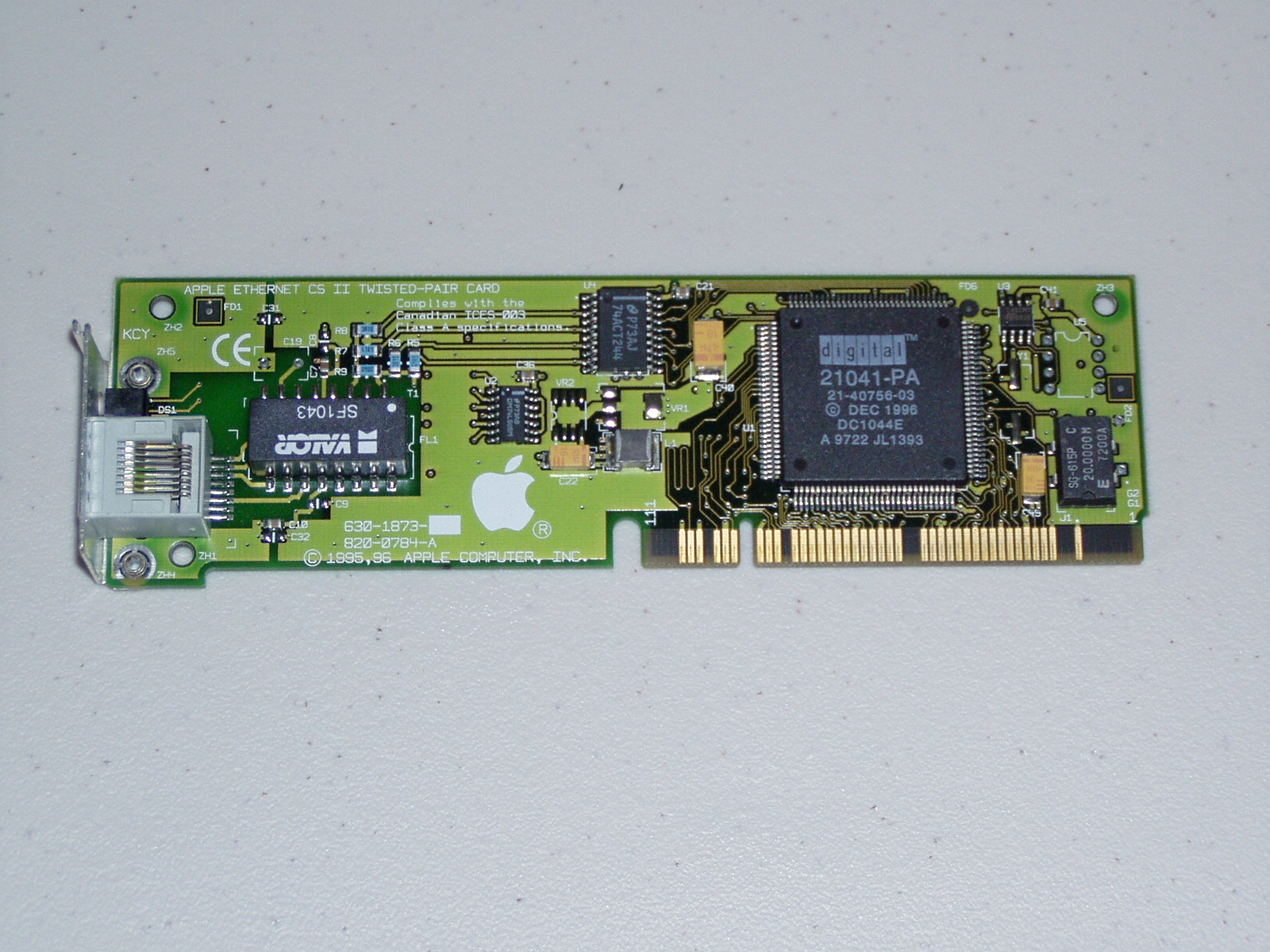
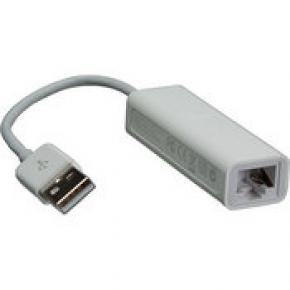
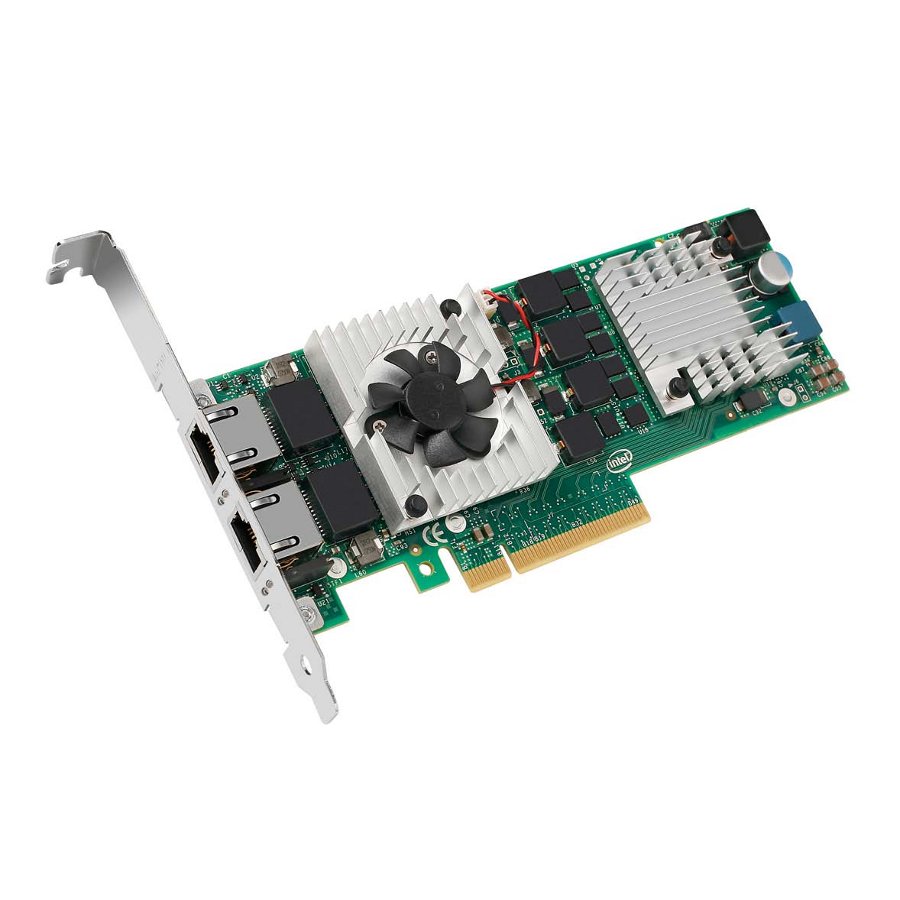
A network interface controller (also known as a network interface card, network adapter, LAN adapter and by similar terms) is a computer hardware component that connects a computer to a computer network.[1]
Early network interface controllers were commonly implemented on expansion cards that plugged into a computer bus; the low cost and ubiquity of the Ethernet standard means that most newer computers have a network interface built into the motherboard.The network controller implements the electronic circuitry required to communicate using a specific physical layer and data link layer standard such as Ethernet, Wi-Fi or Token Ring. This provides a base for a full network protocol stack, allowing communication among small groups of computers on the same LAN and large-scale network communications through routable protocols, such as IP.
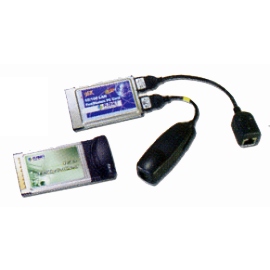

Madge 4/16 Mbit/s TokenRing ISA-16 NIC
Although other network technologies exist (e.g. token ring), Ethernet has achieved near-ubiquity since the mid-1990s.
Every Ethernet network controller has a unique 48-bit serial number called a MAC address, which is stored in read-only memory. Every computer on an Ethernet network must have at least one controller. 

Ethernet card


Ethernet card


Ethernet card


Ethernet card


Ethernet card


Ethernet card


Ethernet card


Ethernet card


Ethernet card


Ethernet card


Ethernet card


Ethernet card


Ethernet card


Ethernet card


Ethernet card


Ethernet card


Ethernet card


Ethernet adapter

Ethernet adapter


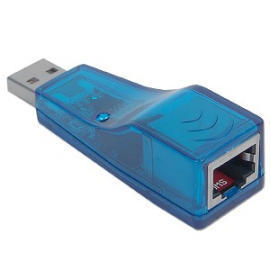
A network interface controller (also known as a network interface card, network adapter, LAN adapter and by similar terms) is a computer hardware component that connects a computer to a computer network.[1]
Early network interface controllers were commonly implemented on expansion cards that plugged into a computer bus; the low cost and ubiquity of the Ethernet standard means that most newer computers have a network interface built into the motherboard.The network controller implements the electronic circuitry required to communicate using a specific physical layer and data link layer standard such as Ethernet, Wi-Fi or Token Ring. This provides a base for a full network protocol stack, allowing communication among small groups of computers on the same LAN and large-scale network communications through routable protocols, such as IP.


Madge 4/16 Mbit/s TokenRing ISA-16 NIC
Although other network technologies exist (e.g. token ring), Ethernet has achieved near-ubiquity since the mid-1990s.
Every Ethernet network controller has a unique 48-bit serial number called a MAC address, which is stored in read-only memory. Every computer on an Ethernet network must have at least one controller. 

Ethernet adapter


Ethernet adapter


Ethernet adapter


Ethernet adapter


Ethernet adapter


Ethernet adapter


Ethernet adapter


Ethernet adapter


Ethernet adapter


Ethernet adapter


Ethernet adapter


Ethernet adapter


Ethernet adapter


Ethernet adapter


Ethernet adapter


Ethernet adapter


Ethernet adapter