Friday, 4 January 2013

Realtek pcie gbe family controller driver

Realtek pcie gbe family controller driver


The package provides the installation files for Realtek PCIe GBE Family Controller LAN Driver version 7.53.216.2012.

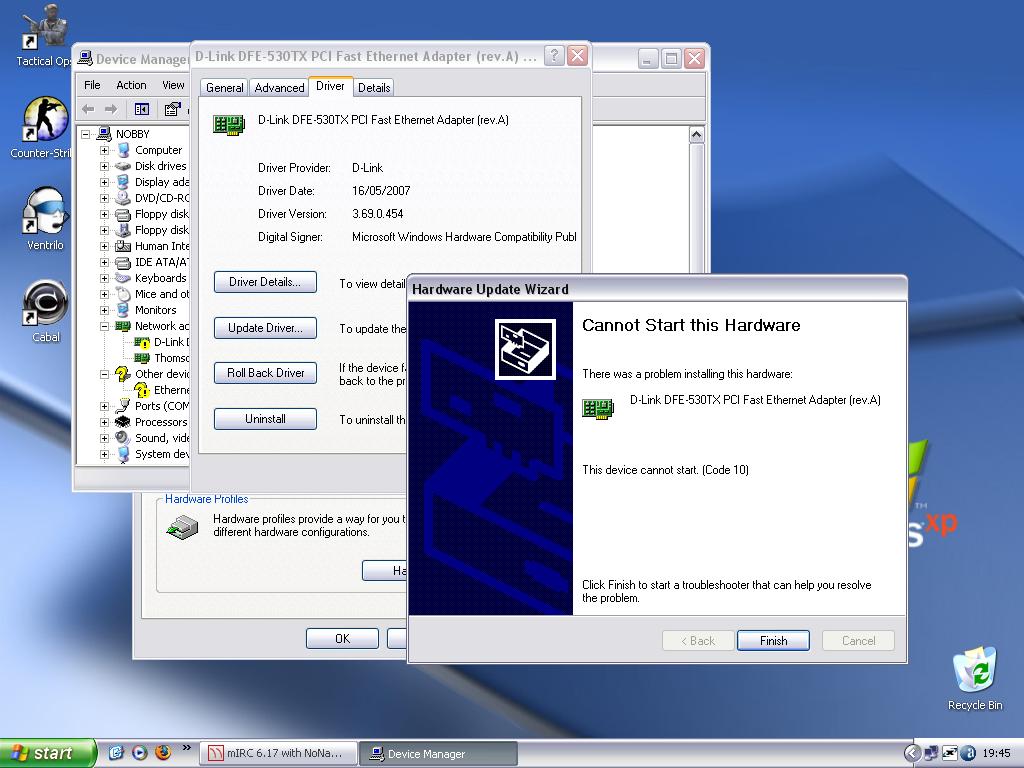
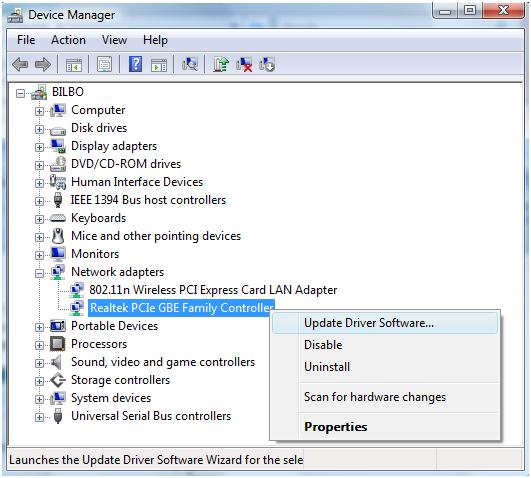
In order to manually update your driver, follow the steps below (the next steps):

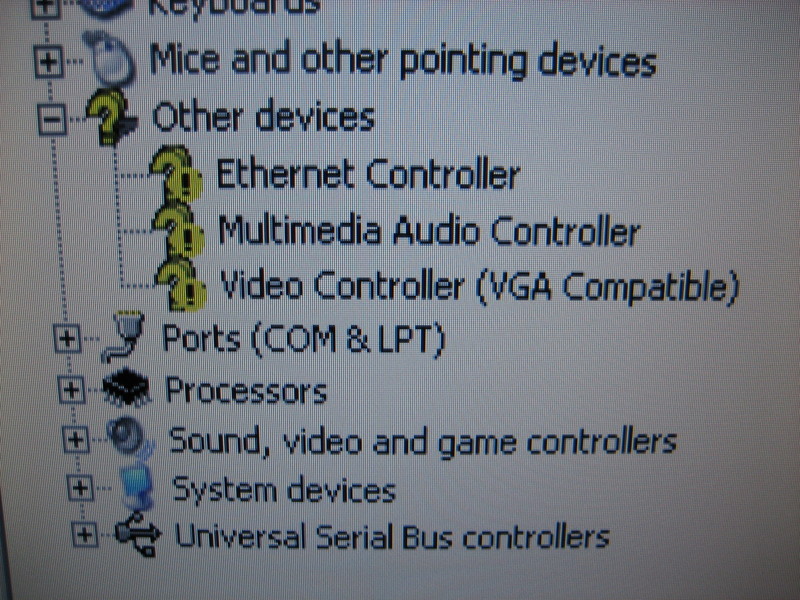
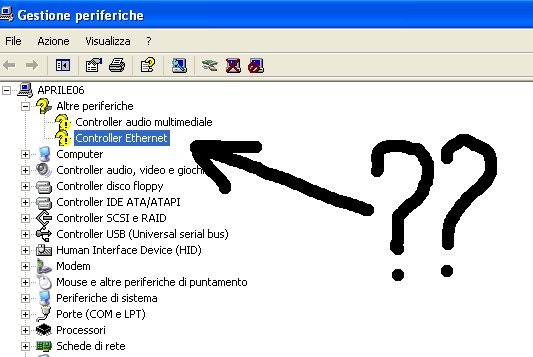
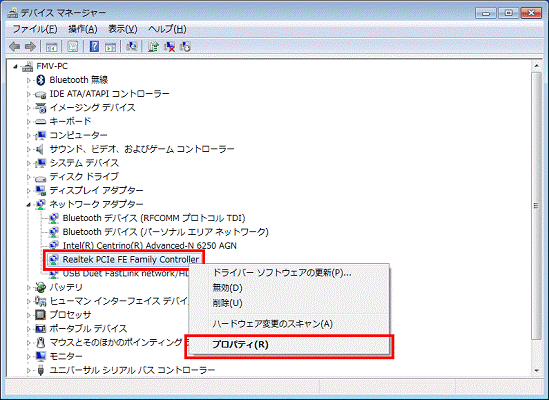
1. Go to Device Manager (right click on My Computer, choose Manage and then find Device Manager in the left panel)
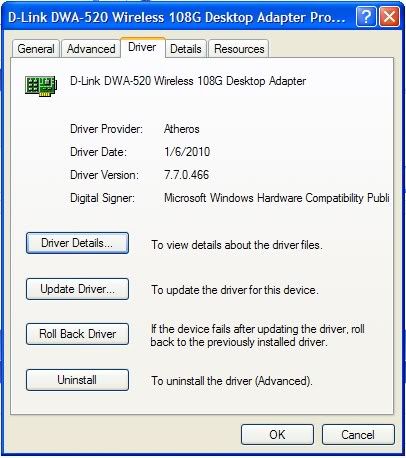
2. Right click on the hardware device you wish to update and choose Update Driver Software
3. Choose to select the location of the new driver manually and browse to the folder where you downloaded the driver


It is highly recommended to always use the most recent driver version available.

Do not forget to check with our site as often as possible in order to stay updated on the latest drivers, software and games.

Try to set a system restore point before installing a device driver. This will help if you installed a wrong driver. Problems can arise when your hardware device is too old or not supported any longer.

Realtek pcie gbe family controller driver


Realtek pcie gbe family controller driver

Realtek pcie gbe family controller driver


Realtek pcie gbe family controller driver


Realtek pcie gbe family controller driver


Realtek pcie gbe family controller driver

Realtek pcie gbe family controller driver


Realtek pcie gbe family controller driver


Realtek pcie gbe family controller driver


Realtek pcie gbe family controller driver


Realtek pcie gbe family controller driver


Realtek pcie gbe family controller driver


Realtek pcie gbe family controller driver

Realtek pcie gbe family controller driver


Realtek pcie gbe family controller driver


Realtek pcie gbe family controller driver


Realtek pcie gbe family controller driver


Ethernet controller

Ethernet controller


Intel has historically named integrated circuit (IC) development projects after geographical names of towns, rivers or mountains near the location of the Intel facility responsible for the IC. Many of these are in the American West, particularly in Oregon (where most of Intel's CPU projects are designed; see well-known project codenames). As Intel's development activities have expanded, this nomenclature has expanded to Israel and India. Some older codenames refer to celestial bodies. There is a pattern with recent desktop processors. Since Core 2 all quad-core desktop processors tend to end in "field" (e.g. Kentsfield, Bloomfield, Lynnfield) and most desktop dual-cores end in "dale" (e.g. Wolfdale, Allendale, Clarkdale), with the exception of Arrandale, a mobile processor codename for the mobile i3/i5/i7s. Platforms consisting of a CPU plus a Southbridge end in "trail" (e.g. Bone Trail, Skull Trail, Pine Trail). Server processors for two sockets now end in "town" (e.g. Harpertown, Gainestown, Gulftown, Jaketown), while server processors for four or more sockets end in "ton" (Tigerton, Dunnington, Beckton).
Intel maintains a website http://ark.intel.com/ that lists the codenames for all publicly released products.
The following table lists known Intel codenames along with a brief explanation of their meaning and their likely namesake, and the year of their earliest known public appearance.
See also List of computer technology code names

Ethernet controller


Ethernet controller


Ethernet controller


Ethernet controller


Ethernet controller


Ethernet controller


Ethernet controller


Ethernet controller


Ethernet controller


Ethernet controller


Ethernet controller


Ethernet controller


Ethernet controller


Ethernet controller


Ethernet controller


Ethernet controller


Ethernet controller


Network adapter

Network adapter

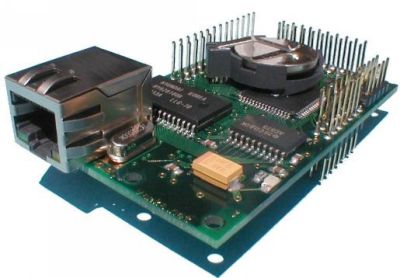
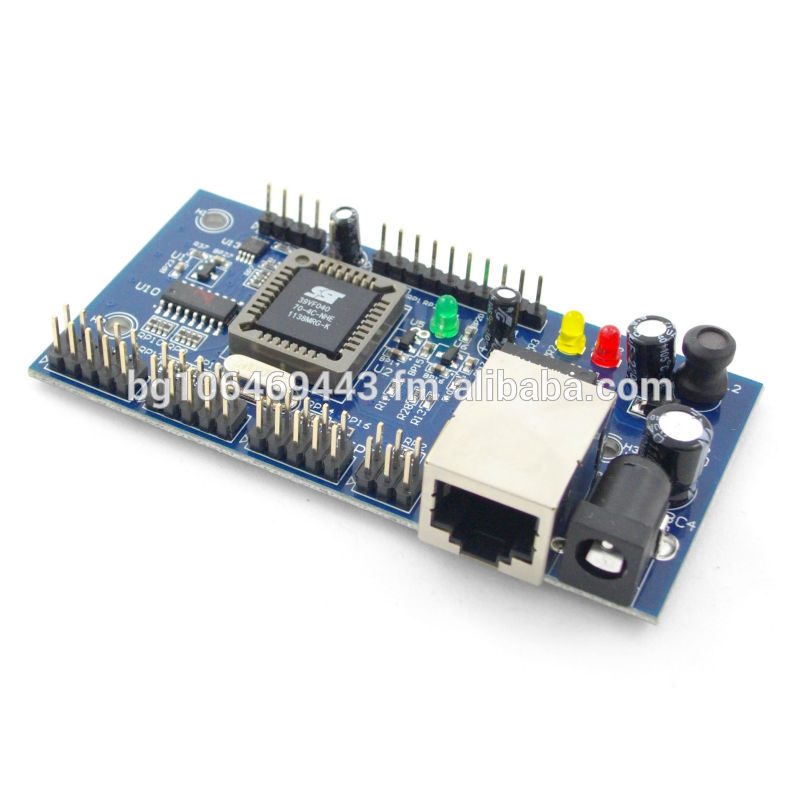
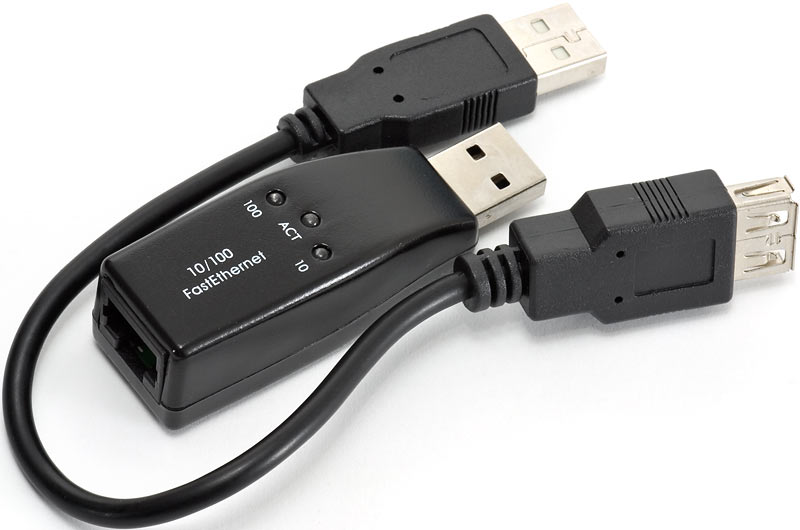
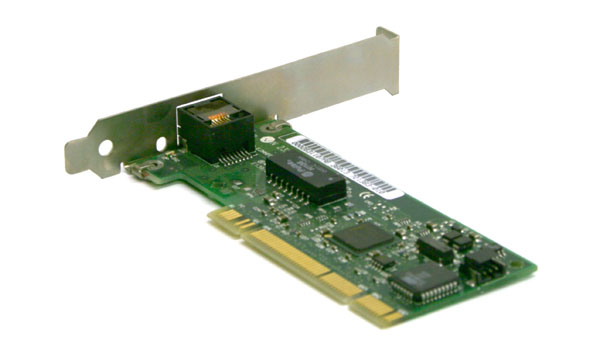
A network interface controller (also known as a network interface card, network adapter, LAN adapter and by similar terms) is a computer hardware component that connects a computer to a computer network.[1]
Early network interface controllers were commonly implemented on expansion cards that plugged into a computer bus; the low cost and ubiquity of the Ethernet standard means that most newer computers have a network interface built into the motherboard.The network controller implements the electronic circuitry required to communicate using a specific physical layer and data link layer standard such as Ethernet, Wi-Fi or Token Ring. This provides a base for a full network protocol stack, allowing communication among small groups of computers on the same LAN and large-scale network communications through routable protocols, such as IP.

Madge 4/16 Mbit/s TokenRing ISA-16 NIC
Although other network technologies exist (e.g. token ring), Ethernet has achieved near-ubiquity since the mid-1990s.
Every Ethernet network controller has a unique 48-bit serial number called a MAC address, which is stored in read-only memory. Every computer on an Ethernet network must have at least one controller. 

Network adapter


Network adapter


Network adapter

.

Network adapter


Network adapter


Network adapter


Network adapter


Network adapter


Network adapter


Network adapter


Network adapter


Network adapter


Network adapter


Network adapter


Network adapter


Network adapter


Network adapter


Realtek drivers

Realtek drivers


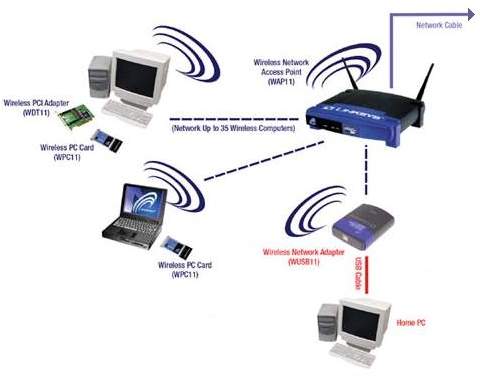
Monitor mode, or RFMON (Radio Frequency MONitor) mode, allows a computer with a wireless network interface controller (NIC) to monitor all traffic received from the wireless network. Unlike promiscuous mode, which is also used for packet sniffing, monitor mode allows packets to be captured without having to associate with an access point or ad-hoc network first. Monitor mode only applies to wireless networks, while promiscuous mode can be used on both wired and wireless networks. Monitor mode is one of the six modes that 802.11 wireless cards can operate in: Master (acting as an access point), Managed (client, also known as station), Ad-hoc, Mesh, Repeater, and Monitor mode.Some uses for monitor mode include: geographical packet analysis, observing of widespread traffic; esp. for insecure channels (such as through WEP), and acquiring knowledge of Wi-Fi technology through hands-on experience. This mode is also somewhat useful during the design phase of Wi-Fi network construction to discover how many Wi-Fi devices are already using spectrum in a given area and how busy various Wi-Fi channels are in that area. This helps to plan the Wi-Fi network better and reduce interference with other Wi-Fi devices by choosing the least used channels for a new Wi-Fi network.
Software such as KisMAC or Kismet, in combination with packet analyzers that can read pcap files, provide a user interface for passive wireless network monitoring.

Realtek drivers


Realtek drivers


Realtek drivers


Realtek drivers


Realtek drivers


Realtek drivers


Realtek drivers


Realtek drivers


Realtek drivers


Realtek drivers


Realtek drivers


Realtek drivers


Realtek drivers


Realtek drivers


Realtek drivers


Realtek drivers


Realtek drivers